News
ADMIT Project Releases Flyer Previewing Its Ethical AI Guide
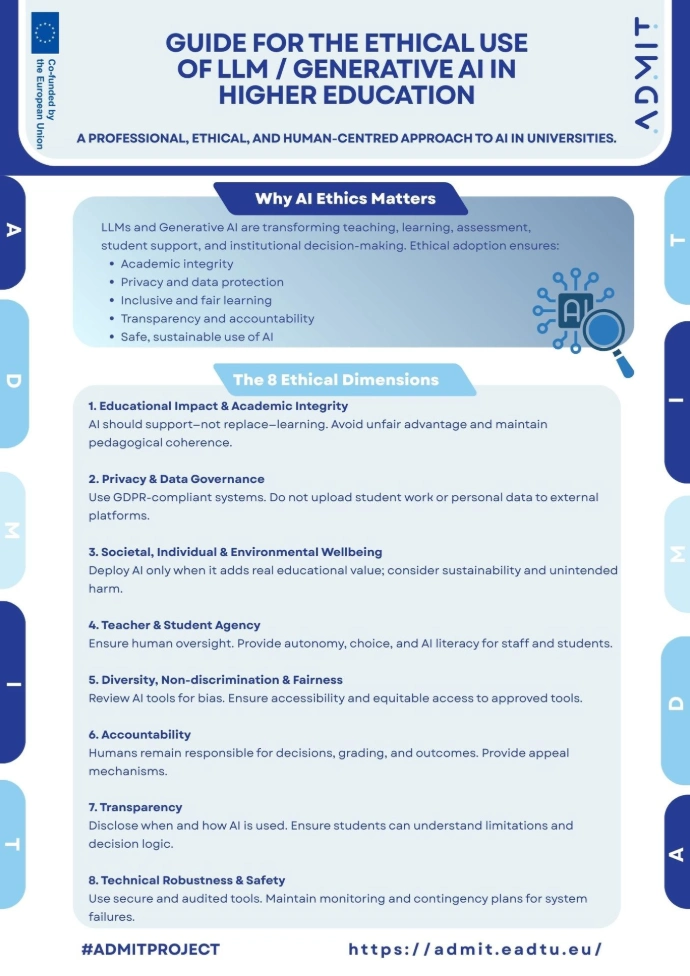
Check out our new flyer introducing the key themes of its upcoming Guide for the Ethical Use of LLM/Generative AI in Higher Education. The flyer outlines the guide’s eight ethical dimensions, ranging from data governance and human agency to fairness, accountability, and technical robustness, and illustrates how these principles translate into practical considerations for educators, students, and institutions.
It also highlights the main risks and opportunities emerging from the use of generative AI in academic settings, offering a concise overview of the areas the full guide will address in greater depth.
Download here
ADMIT last project year:
What's coming next?
As we move into the final year, several important results are on their way — explained in simple terms:
- A clear framework to help universities use AI effectively
This will guide teachers and institutions on when and how AI tools can genuinely improve learning — and when they should be used with caution.
- Practical recommendations for responsible and ethical use
Easy-to-understand guidelines that address topics like fairness, transparency, avoiding misuse, and ensuring academic integrity.
- Examples of how AI is already being used in universities
A Europe-wide collection of promising cases showing how AI supports student learning, feedback, course design, and more.
- New open training modules for educators and university leaders
These CPD modules will offer practical tips, activities, and resources explaining how generative AI works and how it can be used in a classroom or online environment.
All these outputs aim to make AI in education easier to understand, safer to use, and more accessible to everyone.
ADMIT project meeting in Rome
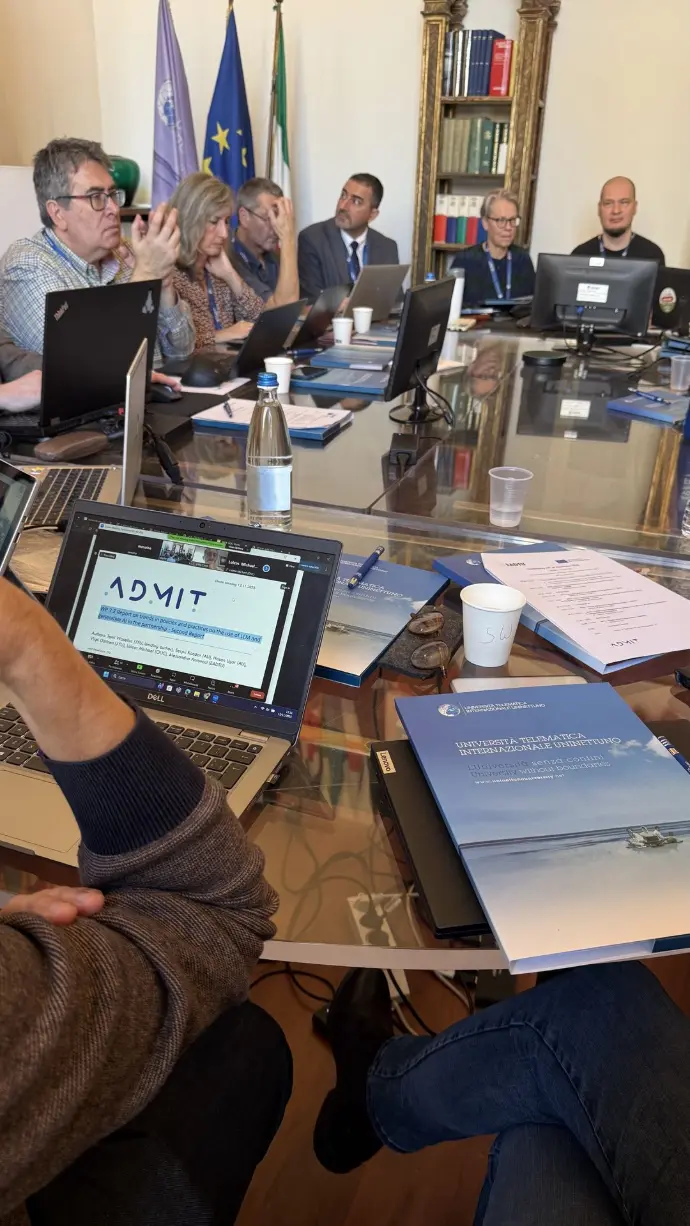
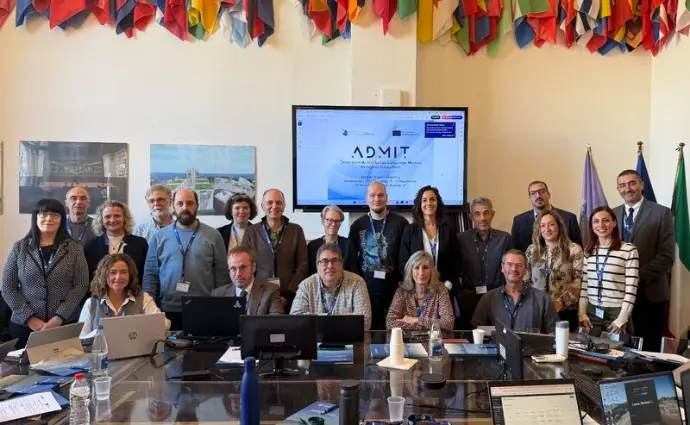
Mid November, the ADMIT consortium met in Rome, warmly hosted by Università Telematica Internazionale UNINETTUNO, for two days of collaborative work.
Day 1 — Updates & Planning
The first day was dedicated to sharing progress from each partner and reviewing where we stand:
- how universities across Europe are currently experimenting with ChatGPT and other generative AI tools;
- what educators, students, and leadership need to use these tools effectively and responsibly;
- how our teams are building a shared framework to help institutions integrate AI into teaching in a meaningful way;
- next steps for the final year of the project.
Day 2 — Peer Learning: Shaping the CPD
The last day the team focused on a hands-on peer-learning workshop to transform our emerging work into a practical training offer: “Teaching and Learning with GenAI in Higher Education.”
Together, we explored real examples, exchanged experiences, and translated our findings into concrete ideas for training modules that will support teachers, support services, and institutional leaders across Europe.

First official onsite ADMIT partner meeting!
On December 11-12, 2024, the ADMIT consortium met in Maastricht, Netherlands, to discuss progress on their work integrating generative AI and large language models (LLMs) into higher education.
The first day featured updates on key project areas, including mapping the impact of LLMs, developing ethical guidelines, and designing professional development programs for educators. Each work package presented its findings, sparking constructive dialogue on challenges and next steps. Day two was dedicated to peer learning activities, focusing on course design and sharing practical approaches for incorporating AI into teaching and learning.
Exciting things coming up, so stay tuned!
AI Revolution in Education
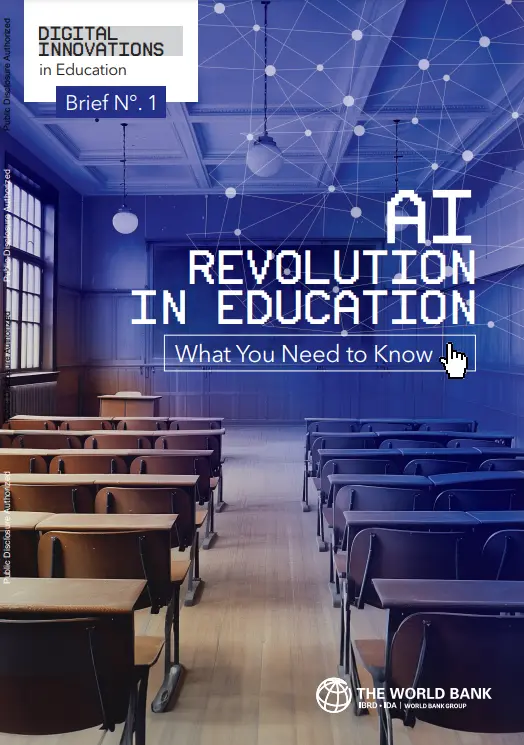
This innovative document brings together the main developments driven by artificial intelligence (AI), a powerful tool that offers practical solutions for teachers, students, parents and academic institutions.
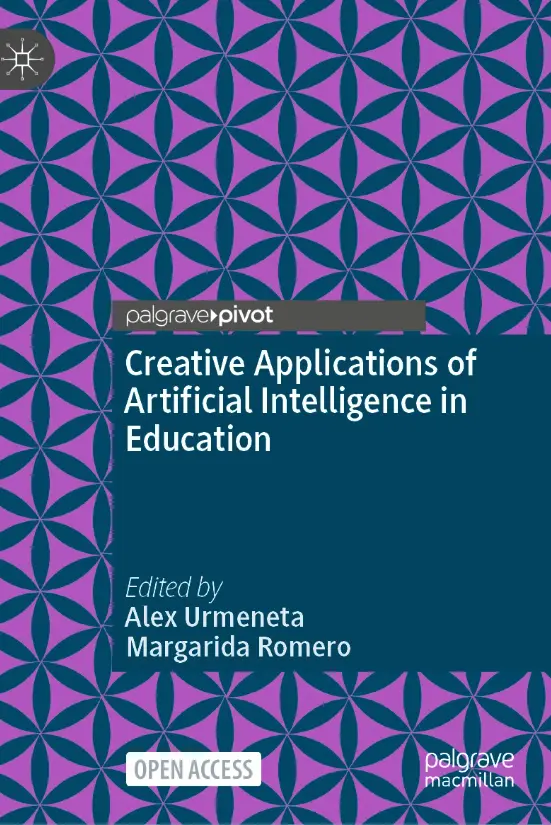
Creative Applications of Artificial Intelligence in Education
This open access book explores the synergy between AI and education, highlighting its potential impact on pedagogical practices. It navigates the evolving landscape of AI-powered educational technologies and suggests practical ways to personalise instruction, nurture human-AI co-creativity, and transform the learning experience.
Get to know the ADMIT team
Official Kick-Off meeting of the ADMIT project
On the 15th of January 2024 the ADMIT partnership kicked-off the start of their project. The 3 years ErasmusPlus project coordinated by EADTU is aimed at creating an Inclusion Reference Framework for higher education institutions along with practice-oriented instruments to assess and enhance inclusion policies and practices. This enables leaders, intermediary educational support services, teaching staff, and students to improve inclusion across all levels—course, curriculum, and institutional.
In all successive phases of the project, institutional partners develop synergies, will leverage their expertise and experience. The project aligns with the concepts of inclusion, equity, diversity, and inclusion challenges as defined by the European Commission, reinforcing the shared European language and approach. Inclusion challenges encompass disabilities, health problems, educational system barriers, cultural differences, social barriers, economic barriers, discrimination and geographical barriers (Erasmus+).
These challenges are encountered by individual or groups of students throughout their entire academic journey, from pre-access preparation, fair admission, personalized learning and study progression, equitable assessments and examinations, and adequate preparation for their future careers.
Do you want to know more, stay tuned!
